




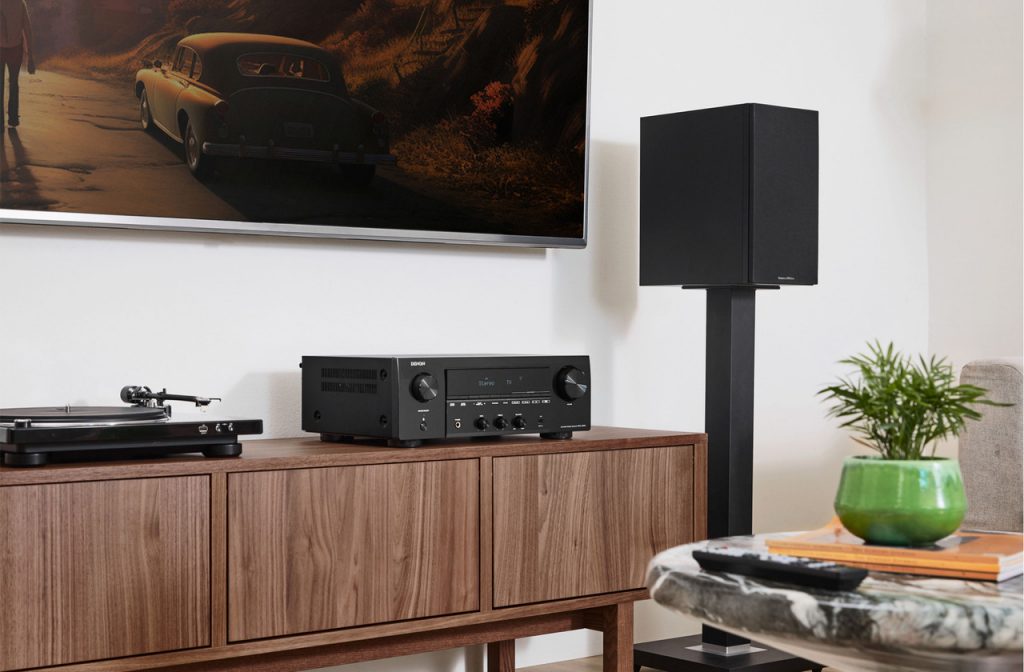
Hi-Fi Guide: Bi-Wiring and Bi-Amping
If you have been exploring our range of stereo amplifiers and speakers, you have likely seen “bi-wirable” in the specs. But what is speaker bi-wiring, and can bi-amping speakers actually make your favourite albums sound better? Our friendly, expertly trained team is here to help you navigate the world of bi-amplification.
What is Speaker Bi-Wiring?
At its simplest, bi-wiring a speaker connects the amplifier to your speakers using two separate runs of bi-wire speaker cable rather than just one. While a standard setup uses a single cable to carry the entire audio signal, bi-wiring treats the high and low frequencies as distinct paths.
The Bi-Wiring Benefit
It’s a common myth that bi-wiring splits the ‘bass’ and ‘treble’ signals before they reach your speaker. In reality, both cables carry the full-range signal.
The real benefit comes from reducing crossover distortion. By using two separate runs of cable, you stop the heavy bass currents from magnetically interfering with the delicate higher frequencies. This ensures the high notes aren’t corrupted by ‘leaking’ bass signals, resulting in a much cleaner, more detailed sound.
By separating these signals, you’re giving your speaker’s internal components, specifically the crossover, a cleaner feed to work with. The crossover is the “brain” of your speaker, directing high notes to the tweeter and low notes to the woofer.
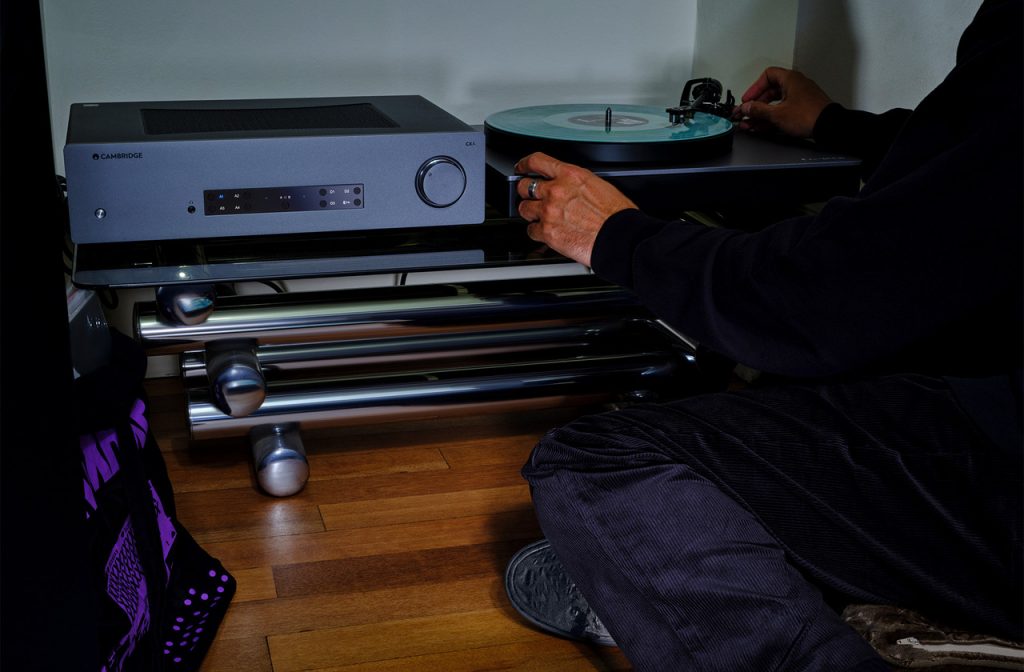
Cambridge Audio CXA81
How Do You Bi-Wire Speakers?
It’s a straightforward process, but getting the details right is key to seeing the advantages of bi-wiring speakers.
1) Remove the Bridging Links
On the back of bi-wired speakers, you will see metal bars joining the two sets of terminals. You must remove these first; otherwise, the signal remains joined, and you won’t get the benefits of the dual cable runs.
2) Prepare Your Bi-wire Speaker Cable
Ideally, you’ll need the same make and model of cable for each speaker (or a dedicated bi-wire cable with four connectors at one end).
3) Make the Connections:
Run one set of cables to the top terminals (which feed the high-frequency tweeter) and the second set to the bottom terminals (powering the low-frequency woofer).
4) Amplifier Side
Connect both sets of cables to the same single output on your amplifier.
Avoid using the ‘Speaker B’ terminals to separate the wires. The ‘B’ circuit often has slightly different sonic characteristics from ‘A’, which can negatively affect the sound. Instead, simply join the cables within a single 4mm ‘banana’ plug. If you buy a ready-made bi-wire cable, this hard work is done for you, terminating nicely into a single plug for your amp.
‘A’ and ‘B’ speaker outputs,
Expert Tip: Always make sure your connections are tight and that no stray copper strands are touching other terminals. We want you to experience better sound, not a short circuit!
The Advantages of Bi-Wiring Speakers
While the consensus is split on the measurable differences, many enthusiasts swear by this method to get a little extra from their system. By using a dedicated bi-wire cable speaker to separate the frequency paths, you may experience:
- Crisper Highs: Reducing electrical interference can make high frequencies feel more open and detailed.
- Improved Soundstage: A more “out-of-the-box” feel, helping you pinpoint exactly where each instrument is in the mix.
- Greater Separation: A cleaner feed to your speaker’s internal crossover allows the drivers to perform at their best.
While bi-wiring a speaker is a great tweak, your budget often goes further if you invest in a single, high-quality run of cable. For example, a single run of AudioQuest Rocket 11 frequently delivers a more cohesive and musical result than two runs of a cheaper, entry-level cable. Think of it as choosing one smooth, well-paved road over two bumpy ones!
Expert-Recommended Gear For Bi-Wiring
To take advantage of these techniques, you need speakers with four terminals. The good news is that you don’t need a special amplifier – virtually any amp works perfectly for bi-wiring. We have hand-picked these best-in-category options to help you experience better.
Bi-Wirable Speakers
The Dali Oberon 5 compact floorstanders are a fantastic candidate for speaker bi-wiring. They offer a natural, well-balanced sound that truly opens up when given a cleaner frequency feed. Alternatively, the award-winning Monitor Audio Silver 100 7G standmount speakers provide incredible detail. Bi-wiring them helps to refine the high frequencies and create an even wider soundstage.
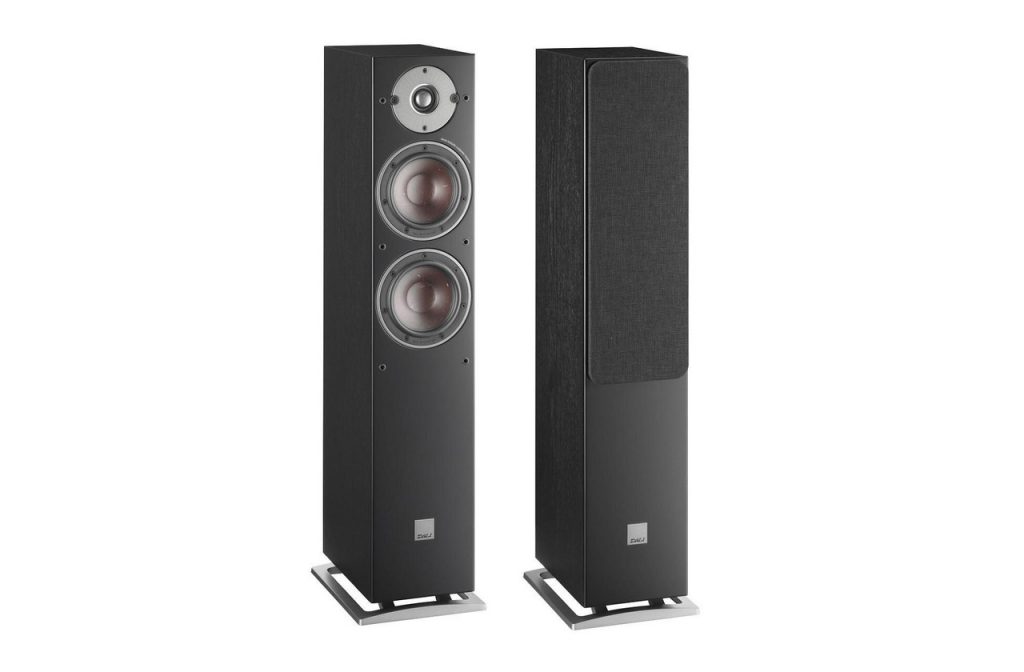
Dali Oberon 5
Take It Further: Bi-Amplification
If bi-wiring is a subtle tweak, bi-amplification is a transformative upgrade for those looking to experience better from their hi-fi. While bi-wiring uses a single amplifier, bi-amping speakers involves using two separate amplifiers to drive a single pair of loudspeakers.
By giving the high-frequency and low-frequency drivers their own dedicated power sources, you remove the heavy lifting from a single unit, allowing each amplifier to operate more efficiently.
The Benefits of Bi-Amping Speakers
- Effortless Power & Headroom: Your music will sound more dynamic and less “strained” at high volumes. Because the amplifiers aren’t competing to drive both the power-hungry woofers and delicate tweeters simultaneously, you get a much cleaner, more authoritative sound.
- Absolute Clarity: With dedicated power for each driver, you will hear textures and micro-details in the mix that may have been previously masked. This results in a more “lifelike” performance where every instrument has its own space.
- Superior Control: Bi-amplification provides much tighter control over the speaker drivers, particularly the bass. This leads to faster, more accurate low-frequency response and improved handling of musical transients.
Also Worth Considering: Monoblocking
For the pinnacle of performance, you can use one dedicated power amplifier for the left speaker and another for the right. Using a pair of high-performance units, like the Audiolab 9000P, provides unmatched stereo separation and the kind of scale usually reserved for professional studios.
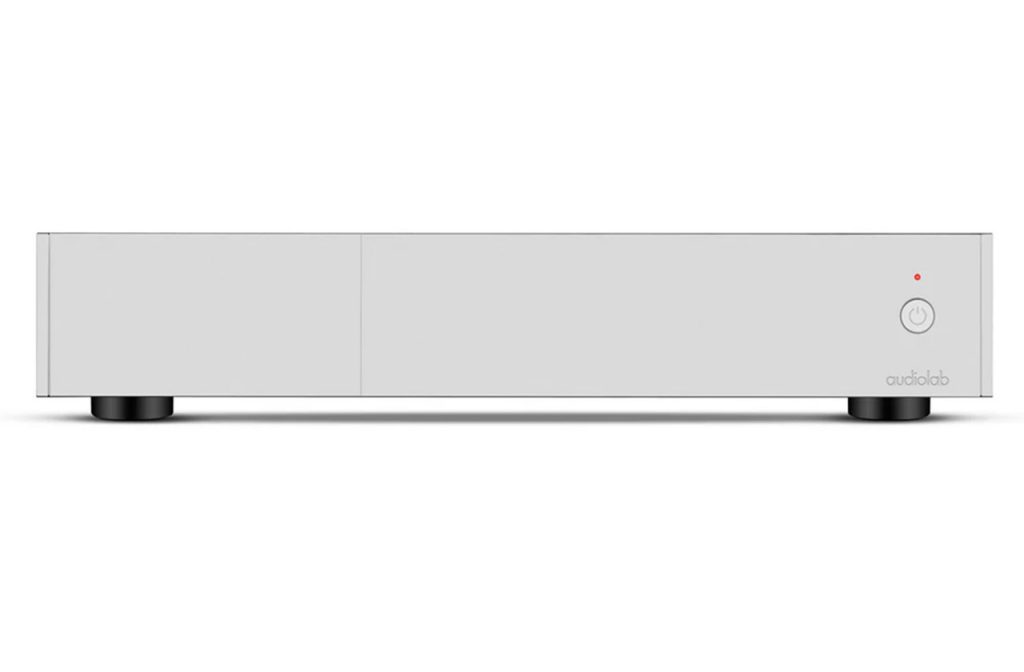
Audiolab 9000P
Is Bi-Wiring the Right Move For You?
There is no one-size-fits-all answer in Hi-Fi, but we believe in empowering you to make the right choice. If you already have a great amp and bi-wirable speakers, adding a second cable run is a fun, cost-effective way to experiment with your sound.
However, if you’re building a system from scratch, we often find that investing in the best possible single-wire cable first delivers a more cohesive result. Remember, your hi-fi sources – like your turntable or streamer – are just as important as your cables. For a deeper dive into the start of your audio chain, check out our guide on Hi-Fi sources explained.
Build Your Dream Set-Up with Richer Sounds
The best way to understand the benefits of bi-amping or bi-wiring is to trust your own ears. We have home-styled demo rooms in our stores nationwide where our friendly, expertly trained staff can set up a comparison just for you. Book a demo today and experience the difference for yourself.