




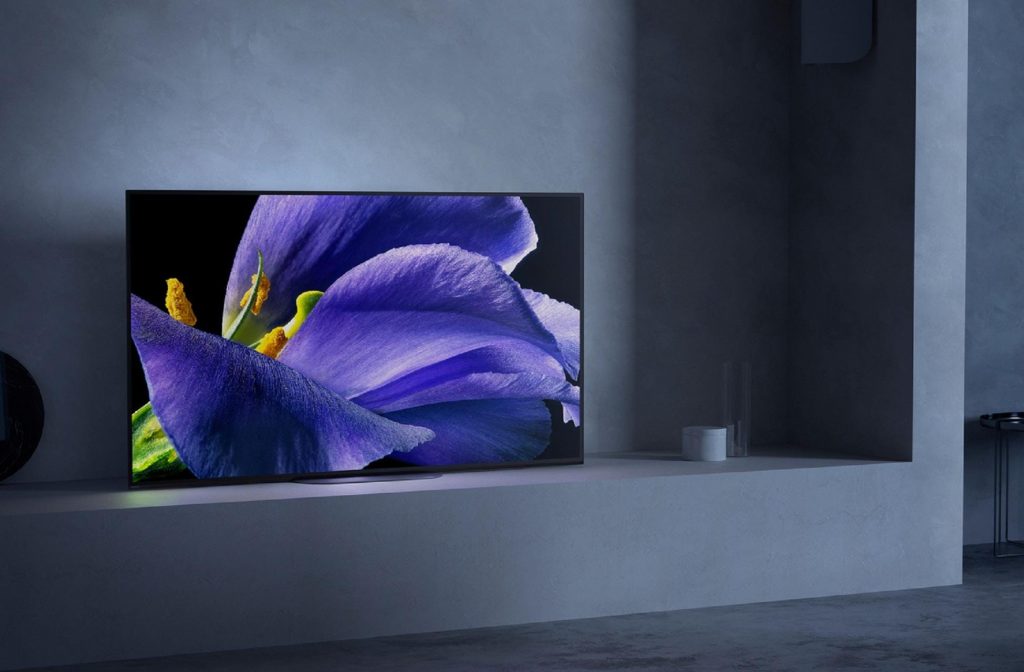
OLED vs. QLED TVs: What’s the Difference and What’s Best for Me?
The world of TV technology is full of complex acronyms and specifications. It is easy to feel overwhelmed and worry about making a costly mistake. At Richer Sounds, we believe in providing you with a better experience by cutting through the confusing jargon.
This is our expert guide to the definitive differences between OLED and QLED technology.
The Origin Story: Who Pioneered the Technology?
Both technologies have deep roots in science, but their applications in modern TVs are quite different. OLED technology was pioneered by chemists Ching Tang and Steven Van Slyke at Eastman Kodak in 1987.
Conversely, the term QLED was popularised by Samsung in 2017 to describe its Quantum Dot-enhanced LED TVs, building upon research that started with manufacturers like Sony in 2013, making it an evolution of established LCD technology.

The Core Difference: How They Light Up
To understand the difference between OLED and QLED, you must first know how they create an image. One technology uses its own light, while the other relies on external light. This key difference defines the experience you get.
What is an OLED TV?
OLED stands for Organic Light-Emitting Diode.
The crucial thing to know is that every single pixel is self-emissive (produces its own light). When an OLED pixel is asked to display black, it simply switches itself off completely. This process gives you perfect black levels and infinite contrast. You get unbelievable depth in every dark scene. Because they require no backlight, OLED screens can be made exceptionally thin, making them ideal for a sleek, flush wall-mounting design.
Browse our full selection of OLED TVs.
What is a QLED TV?
QLED stands for Quantum Dot Light-Emitting Diode.
QLED is a substantial step-up from traditional LED TV technology. Unlike OLED, it doesn’t use self-lighting pixels. Instead, it relies on powerful backlighting behind the screen, which shines through a layer of Quantum Dots. These dots are what produce the incredibly bright and accurate colours. The latest versions, like Neo QLED, use Mini LED backlights to offer unprecedented light control and greatly improved black levels.
Check out our full collection of QLED TVs.

OLED vs QLED: The Facts at a Glance
At Richer Sounds, we’re all about being straightforward. Here is exactly where each technology excels, and where it offers a slightly different advantage.
| Feature | OLED (Organic LED) | QLED (Quantum Dot) |
|---|---|---|
| Black Levels | Perfect. True, infinite black levels for incredible depth and shadow detail. | Excellent. Backlight control is brilliant, though it can’t technically match OLED’s perfect blackness. |
| Brightness | Very Good. Great for most homes, but it might struggle in very sun-drenched rooms. | Exceptional. QLED screens get much brighter than OLED, making them ideal for well-lit spaces. |
| Response Time (Gaming) | Near Instant. Excellent for competitive gaming and fast action, with virtually zero motion blur. | Very Fast. Provides smooth motion handling, easily managing 120Hz refresh rates for gaming and sport. |
| Physical Design | Potentially Extremely Thin. Panel requires no backlight, resulting in a lighter, thinner form factor. | Slim. Modern QLEDs (like Neo QLED) are very slim, but still require a backlight layer. |
| Power Consumption | More efficient when displaying dark content (only lit pixels draw power). | Generally uses more power due to the constantly illuminated backlight, although Mini LED QLED TVs generally use less power than OLEDs. |
Beyond Picture Quality: Design and Performance
Gaming and Motion Handling
Both technologies offer the high refresh rates required for modern consoles and PC gaming. However, because OLED pixels switch on and off instantly, they offer the fastest available response times on the market. This gives them a slight edge for competitive gamers who demand zero motion blur and input lag. For casual gaming and watching sports, both are outstanding.
In the market for a gaming TV? You’re sure to find what you need at Richer Sounds.
Long-term Performance and Durability
QLED displays use inorganic materials, giving them a theoretical advantage in long-term longevity, with manufacturers offering guarantees against image retention. OLEDs use organic materials. While early models faced concerns, modern OLED TVs feature advanced pixel shift and compensation technologies.
For the vast majority of consumers who watch varied content, modern TVs of both types offer excellent, worry-free performance for years to come.
Which TV Is Right for Your Home?
Now for the important bit: what’s best for you? We don’t just sell; we empower you to make the right choice based on how you live and watch.
Choose OLED If…
- You are a serious film buff or gamer who values perfect detail and contrast above all else.
- You do most of your viewing in the evening or in a room with effective blinds or curtains.
- Your priority is a super-thin screen that sits flush against the wall.
Choose QLED If…
- Your main viewing room is very bright and sunny. QLED’s superior brightness cuts through glare easily.
- You are looking for a large screen size (55-inch and up), where QLED sometimes offers better value.
- You want the vibrant colour and high brightness of the Neo QLED experience.

Your Next Step: Experience Better
We deal in complex technology, but the buying process shouldn’t be confusing.
To truly decide, the only way is to see these technologies side-by-side in one of our demo rooms. Our colleagues are friendly experts who are ready to talk you through the differences in person, helping you decide what’s right for your viewing habits. Find Your Nearest Richer Sounds Store & Book a Demo.