



 (Spoiler free) After nearly a decade of Demogorgons, synth-heavy nostalgia, and the unlikely heroism of a group of D&D kids, Netflix’s Stranger Things reaches its conclusion with a fifth season that feels both massive in plot but still takes its time with the characters stories.
After 9 years in the making, what began as a small, Spielberg-inspired mystery has evolved into a sprawling supernatural epic, and Season 5 brings a lot of stakes and energy without losing sight of the emotional core that made the series resonate in the first place.
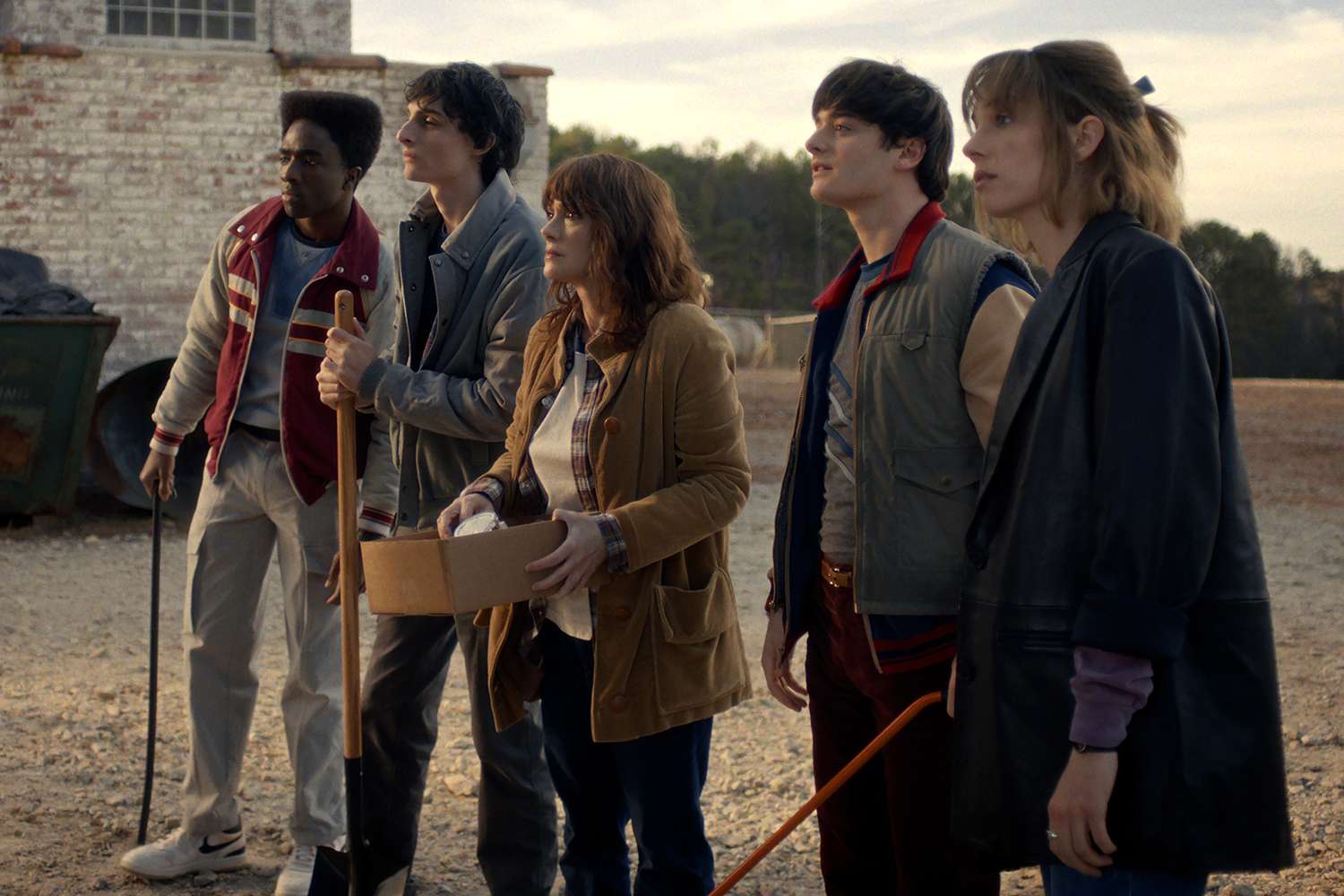
The tone of the final chapter is darker, heavier, and more contemplative, offering a farewell that prioritises atmosphere, character, and craft over a flashy spectacle alone. Regarding the cast of this series, its almost identical to previous series although they have recast Mike’ sister Hollie. The cast deliver strong performances, many of them in my opinion are career best performances for them. Due to the length of time that the show has been running, some of the cast may no longer look 100% like “kids,” but they tread the line between childhood and not quite adults incredibly well.
Millie Bobby Brown once again anchors the season emotionally, portraying a character weighed down by responsibility and trauma with impressive range. Rather than relying on explosive moments, her performance often stands out in the slower dramatic scenes.
Actors who once served primarily as comic relief or supporting background characters are given meaningful material, and they rise to the occasion. Finn Wolfhard (Mike) , Gaten Matarazzo (Dustin), Caleb McLaughlin (Lucas), and Sadie Sink (Max) all portray the emotional complexity of characters caught between childhood and adulthood. Their performances are convincing and really bring an authenticity to the friendships at the heart of the show. Additionally David Harbour and Winona Ryder still have large roles in the show and continue to ground the series.
Harbour’s portrayal leans more towards emotional vulnerability, while Ryder brings a quiet determination that contrasts beautifully with the chaos around her. Multiple background cast members are given moments of unexpected depth, and interesting plot points reminding viewers that Stranger Things has always been strongest when it treats every character as someone you will need to remember as they might pop up later.
On a technical and visual level, Season 5 is the show at its peak. The production design leans fully into horror, borrowing more from psychological and cosmic influences than previous seasons. With giant gross environments and new creatures. The Upside Down has never felt more strange, familiar and completely unknown at the same time.
The sound design and score deserve special mention as this season is among the strongest of the entire series. The now-iconic synth scores return, but it’s used more sparingly, allowing silence, distortion, and low-frequency rumbling to build tension. The sound scapes and environmental sounds like wind, echoes, mechanical hums are all layered carefully, creating an impressive atmosphere that makes even quiet scenes feel tense. The Upside Down, in particular, feels more alive than ever, not because of what is shown, but because of what is heard.
That said, in my option the season isn’t without flaws as is any show. Its ambition and scope of plot sometimes works against it, particularly in the middle episodes, where the pacing slows under the weight of parallel storylines syncing up. A small number of sequences feel stretched longer than necessary, and certain big revelations arrive with less impact than they might have with a shorter timeline.
Saying this, it is rare to find a show that been running for this many years that manages to tie up almost all threads of the plots that were introduced in the seasons this well. The decision to make the episodes almost all over 1 hour and one over 2 hours has helped them fit so much into the season and I commend them for this.
The season is still very well put together. At its core, it’s about endings not just of the battles, but of the characters chapters in their lives. The show reflects openly on and emphasises the passage of time and how things, even great things must come to an end. Even Hawkins, once a symbol of safe childhood nostalgia, becomes a place that must be redefined or left behind.
The final episodes are where Season 5 truly shines. Without including spoilers, the series finale understands that emotional closure matters more than literal explanation. Some mysteries are clarified, others are left deliberately open, and the show trusts the audience to live with that uncertainty.
In the end, Season 5 doesn’t redefine TV shows, but it doesn’t need to. It has been years in the making, allowing for plots to truly flesh out or to die on the vine without a rushed timeline. It delivers something rare, a conclusion that respects its characters, its audience, and its own history.
In light of multiple shows being tainted by a less that perfect final chapter Stranger Things is a glowing example of how to do things right when closing out a show.

Mike, Customer Service Department