



 We have finally received another television show to fill the void since the ending of George R.R Martins epic “game of thrones” series, and adaptation of the Dunk and Egg books again written by George R.R Martin.
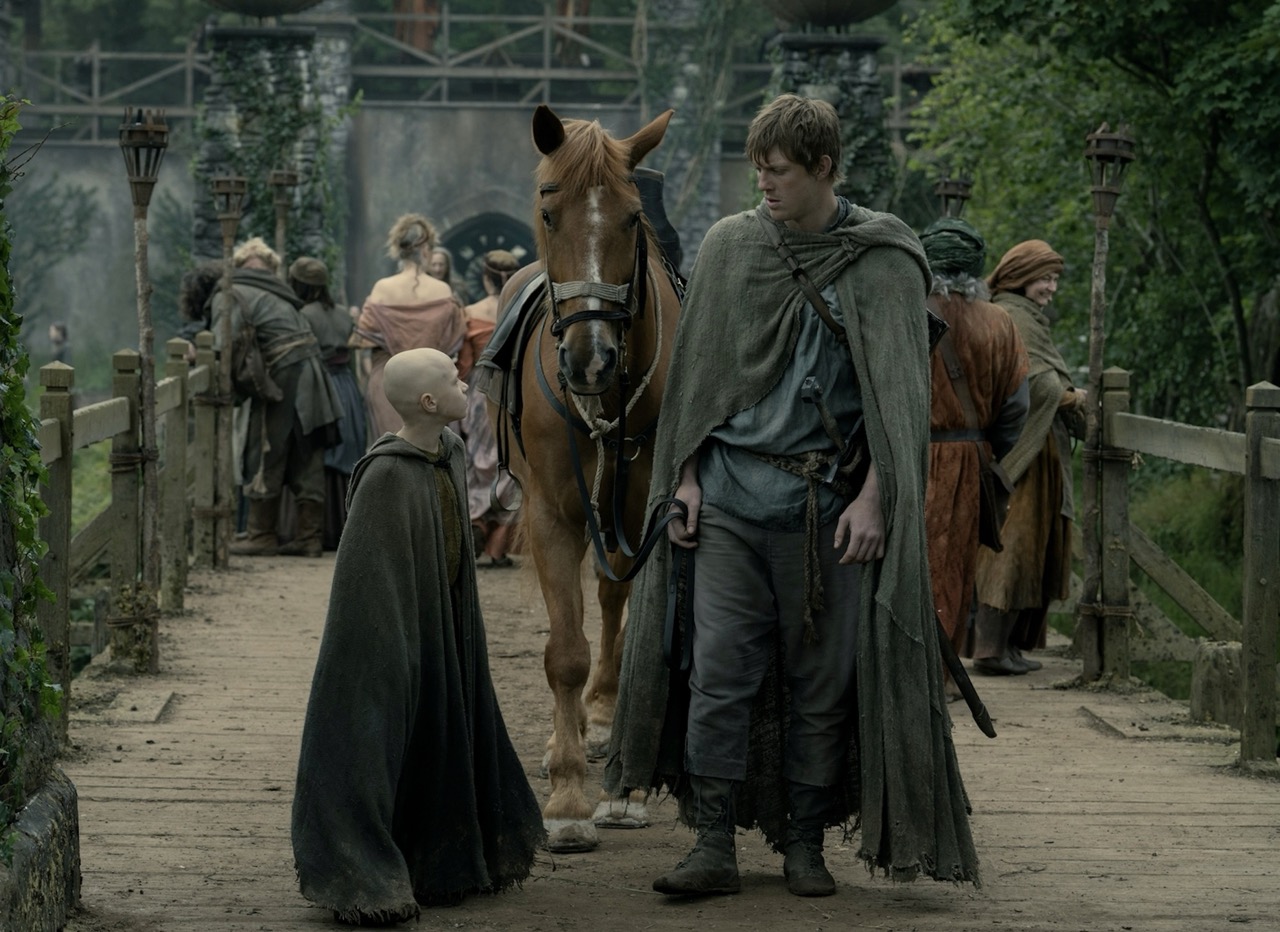
Similar to House of the Dragon this show takes place before the events of GOT (Game of Thrones) but is set after HOTD (House of the Dragon). It is structured in a way that acknowledges the evens in HOTD but doesn’t beat you over the head with it if you haven’t seen that other show (i am still making my way through it too). In this show we follow Dunc, or “Ser Duncan the tall”, a “Hedge knight” (a poor knight without a lord) of zero reputation and even less wealth as he travels to a jousting tournament to make a name for himself and hopefully some coin.
On his journey he meets a young boy “Egg” who wants desperately to be this knights squire and help him make a name for himself. The show’s opening scene highlights very clearly that this show doesn’t want to be another game of thrones (I will leave out the detail’s of how they do this, trust me you’ll know) but it does clearly throw off the reigns of expectation from being the next GOT. The tone of this is different, more comedic even more personal as instead of following kings, queens and leaders we follow a simple poor knight and the dangers of getting entangled with royal houses and lords. This tale is fresh, as from the other shows we know very little about this character (unless you’ve read the books).
At the heart of the show is the partnership between Dunk and Egg, and much of the series’ success rests on the chemistry between the actors portraying them. Dunk (played by Peter Claffey) is presented as a man who genuinely wants to live up to the ideals of knighthood, even when doing so places him at odds with powerful figures. His physical presence and straightforward nature contrast well with the more cynical world he inhabits. Rather than being a flawless hero, he is portrayed as someone learning through mistakes and difficult choices but also someone willing to continue trying.
Egg (played by Dexter Sol Ansell) meanwhile, provides both humour and sharp insight throughout the season. Despite his youth, he often sees through the nobility and honour more clearly than the adults around him. The relationship between the two characters evolves naturally over the course of the season. What begins as a practical arrangement gradually becomes something closer to genuine friendship and loyalty. Their interactions often carry both warmth and tension, reflecting the growing trust between them.
Beyond the central pair, the rest of the cast play an important role in shaping the world around them. Various knights, lords, and common folk appear throughout the story, each offering a different perspective on the rigid social structures of Westeros. You will encounter some notable families from both shows such as Baratheon and Targaryen. Some characters embody the romantic ideal of knighthood, while others reveal the corruption that often accompany power. The series handles these contrasts well, ensuring that even smaller roles feel meaningful within the over arching story.
One of the most striking aspects of A Knight of the Seven Kingdoms is its visual presentation. While the series does not rely on the grand spectacle of dragons or massive armies, it still manages to capture the atmosphere of Westeros with impressive detail. The production design focuses heavily on the lived in feel of the world from a poorer less priviligdes life style. Armour appears worn and practical rather than ornamental. Inns and villages feel authentic rather than staged. Tournaments carry both excitement and danger, reminding viewers that even ceremonial combat can have serious consequences. The cinematography leans heavily toward natural landscapes and grounded settings. Rolling fields, dusty roads, and small settlements create a sense of scale that emphasises the journey of the characters rather than the grand nature of kingdoms and fortresses from the other shows.
Season 1 of A Knight of the Seven Kingdoms succeeds by embracing its smaller scale rather than trying to replicate the spectacle of its predecessors. It tells a story about people rather than kingdoms, about ideals rather than thrones. The show expands the world of Westeros in a way that feels new while still remaining true to the themes that made the original stories so compelling. Its slower pace allows characters to grow naturally, and the strong relationship between Dunk and Egg provides an emotional core that carries the tale from beginning to end.
Yes, we are in the world of George R.R Martin, but there is no fear of mystical frozen zombies coming from the north or dragons coming from the sky. The biggest fears start off being whether or not you will get rained on in the night whilst sleeping under a tree or if you have any food for tomorrow and these grow into question what a Knight is and what would the cost of turning a blind eye really be? While I will agree that some people may initially miss the large scale political intrigue or supernatural elements associated with other series in the franchise, the more intimate focus ultimately becomes one of the show’s greatest strengths.
By the time the season reaches its end, it becomes clear that “A Knight of the Seven…No wait, Nine Kingdoms”. has successfully carved out its own place within the world of Westeros one built on character, honour, and the complicated reality of trying to do the right thing in a flawed world. I will add that I have been recommending it to everyone who I know loved either of the other two shows.

Author: Mike, Web After Sales