





An Introduction to Wireless Headphones
Most of us have a pair of headphones tucked away in a drawer or plugged into a Hi-Fi system. While the core technology for sending sound to our ears has remained consistent for years, the shift away from physical cables has completely changed how we enjoy our music and movies.
We want to help you experience better audio without the tangle of headphone wires. Our experts are delving into everything you need to know about wireless headphones to help you find the perfect wireless fit.
How Do Wireless Headphones Work?
At its simplest, wireless headphones use Bluetooth technology to receive audio signals from a source like your smartphone, laptop, or TV. Instead of sound travelling through a copper wire, it’s sent as a digital signal. This gives you the freedom to move around your home or office within a range of about ten metres without being tethered to your device.
Modern wireless sets are incredibly capable, often delivering sound that is very close to CD quality. This means you can enjoy the convenience of enjoying wire-free music without having to sacrifice the rich, detailed audio that makes your favourite tracks come alive.
For dedicated home listening, Radio Frequency (RF) systems like the Sennheiser RS-series offer a powerful alternative to Bluetooth. These use a separate transmitter to provide a rock-solid signal with up to ten times the range – often reaching 100 metres. This allows you to move between rooms or even into the garden without the audio dropping out. As the connection is dedicated, it eliminates latency, ensuring your sound stays perfectly in sync with the action on your TV screen to help you experience better home cinema.
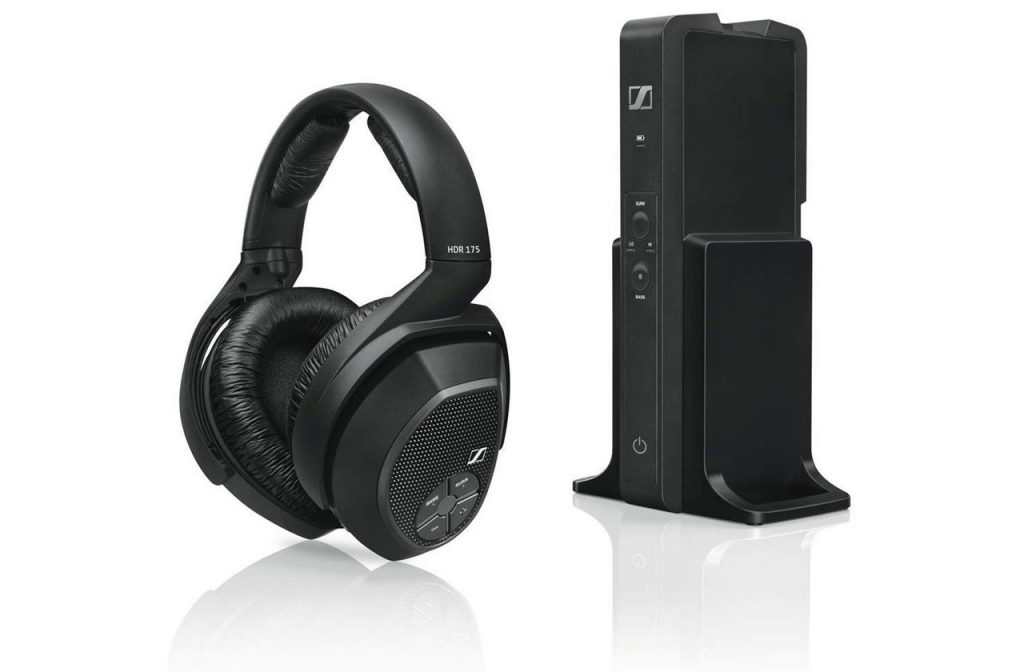
Sennheiser RS 175 Headphones
Understanding Different Wireless Headphones
When you begin your research, you will find that wireless headphones generally fall into three distinct categories. Choosing the right one depends entirely on where you plan to listen and how much kit you want to carry.
Over-Ear and On-Ear Headphones
Over-ear headphones feature large cushions that fully enclose your ears. As they have more physical space, they often house larger drivers – the tiny speakers inside – which can result in a deeper, more powerful bass and a wider soundstage that feels like the music is happening all around you. Their larger frames also allow for bigger batteries, often providing 30 to 135 hours of play on a single charge.
On-ear models sit directly on the ear. These are a fantastic middle ground if you want the high-fidelity sound of a larger headphone but need something a little more compact and breathable for a long day at the office. They’re also a brilliant choice for glasses wearers, because the pads sit on the ear rather than surrounding it.
In-Ear Headphones and Neckbands
In-ear headphones, or earphones, are designed to sit snugly inside your ear canal. This creates a natural seal that helps block out external noise even without electronic assistance.
Within this category, you may see neckband styles where a thin, flexible cable or band connects the two buds. These are a firm favourite for those who worry about losing an earbud; you can simply let them hang around your neck when you need to have a quick conversation.
Neckbands are also an excellent choice for runners. The connected design offers peace of mind during long or trail runs, as there is no risk of losing a single earbud if it slips out.
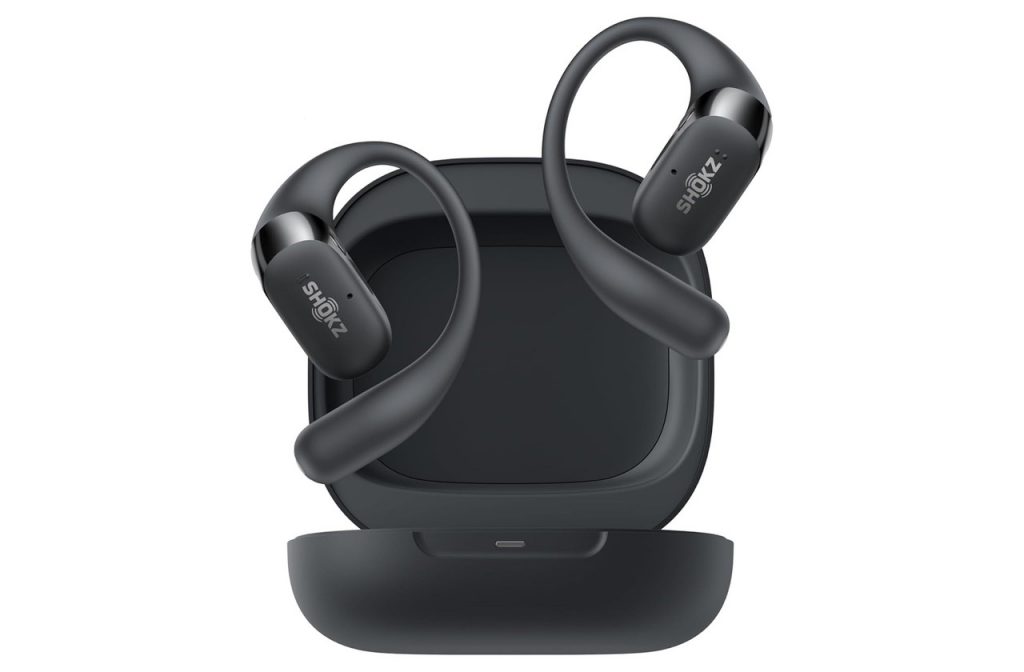
Shokz OpenFit 2+ Headphones
A rapidly growing category in the wireless world is the ‘open-ear’ headphone. Unlike traditional earbuds that sit inside the ear, these designs – popularised by brands like Shokz – sit just outside or on the cheekbone. They use a combination of bone conduction technology and tiny downward-firing drivers to deliver sound directly to your inner ear while leaving your ear canal completely open. These are an outstanding choice for outdoor athletes, such as cyclists and urban runners.
True Wireless Earbuds
A well-established true wireless technology. Wireless earphones have no cables whatsoever – not even one connecting the two buds. They come in a pocket-sized charging case that tops up the battery whenever you aren’t using them.
As they’re so discreet and offer the ultimate sense of freedom, they have become the go-to choice for commuters and gym-goers. Modern true wireless sets have advanced so rapidly that they now deliver a level of audio performance that was once only possible with a wired connection. This allows you to experience better sound during your daily routine without any of the physical restrictions of a traditional cable.
Essential Features for your Lifestyle
While most wireless headphones share the same basic technology, it’s the extra features that truly help you experience better audio tailored to your daily routine. Choosing the right combination of these options will ensure your new headphones feel like a natural extension of your lifestyle.
Silence the World With Noise-Cancelling
Active Noise Cancelling (ANC) is perhaps the most transformative feature in modern audio. It uses clever internal microphones and powerful digital processing (DSP) to monitor ambient sounds – like the low hum of a jet engine or the chatter of a busy office – and digitally cancels them out. This allows you to listen at lower, safer volumes while still hearing every detail of your music, making it a must-have for frequent travellers or those who need to focus in noisy environments.
If you find yourself needing to block out the world often, you can explore our curated list of the Top Noise Cancelling Headphones for Travel, Work and Everyday Use for our latest expert recommendations.
Stay Connected with Built-In Microphones
Most wireless models now feature integrated microphones, but the quality can vary significantly. If you spend a lot of time on voice calls or video meetings, look for headphones with multiple mics designed to isolate your voice from background wind or noise. This ensures you stay connected without ever needing to reach for your phone or disconnect your headset.

Sonos Ace Headphones
Durable Designs For Active Use
If you intend to use your headphones at the gym or while out in the British weather, check the ‘IP rating’ for water and dust resistance. A high IP rating gives you the confidence that your headphones are built to withstand the rigours of a heavy workout or a sudden rain shower, protecting your investment for the long term.
Smart Control with Voice Assistants
All the latest wireless headphones offer seamless integration with the Voice Assistant on your smartphone. With a simple tap or a voice command, you can skip tracks, set reminders, or dictate messages without taking your phone out of your pocket or bag. It is a level of convenience that makes a busy day feel just that little bit smoother.
Can You Take Wireless Headphones on a Plane?
The answer is a resounding yes; in fact, they are now considered a travel essential. Most airlines allow Bluetooth use throughout the flight, though you should ensure your device is switched to ‘flight mode’ during take-off and landing.
For older aircraft entertainment systems that still require a physical connection, many of our premium over-ear wireless models include a backup cable and airline headphone adapter plug (with two pins) in the box. This is a brilliant feature as it allows you to plug directly into the seat-back screen while still using the headset’s internal power for active noise-cancelling. This means you can enjoy your in-flight movie in peace, helping you experience better travel without the constant drone of the engines.
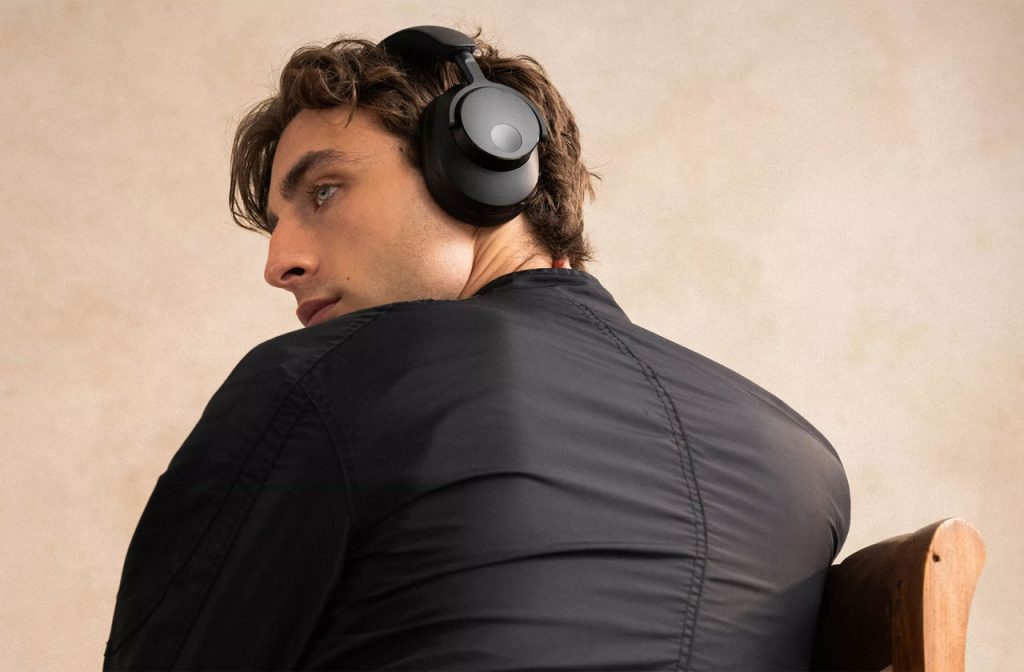
Cambridge Audio Melomania P100 SE Headphones
How to Use and Connect Your Headphones
Connecting your wireless headphones is straightforward. Most models enter ‘pairing mode’ the first time you turn them on or remove them from their case. You simply open the Bluetooth settings on your device, select your headphones from the list, and you are ready to go.
If you want to pair wireless headphones with a TV, ensure your television has Bluetooth built in, Connecting to a laptop follows the same simple steps, making it easy to switch between your computer and your phone throughout the day.
Are Wired Headphones Better Than Wireless?
This is a question our experts hear often in our stores, and the answer depends on your listening habits.
From a purely technical standpoint, wired headphones remain the benchmark for critical listening because a physical cable can carry high-resolution data without the compression found in standard Bluetooth. There is also no need to worry about battery life or latency – the tiny delay between a video playing and the sound reaching your ears. However, for the vast majority of listeners, the gap in audio quality has narrowed significantly thanks to advanced Bluetooth codecs like aptX Adaptive and LDAC, which allow for incredible musical detail to be transmitted through the air.
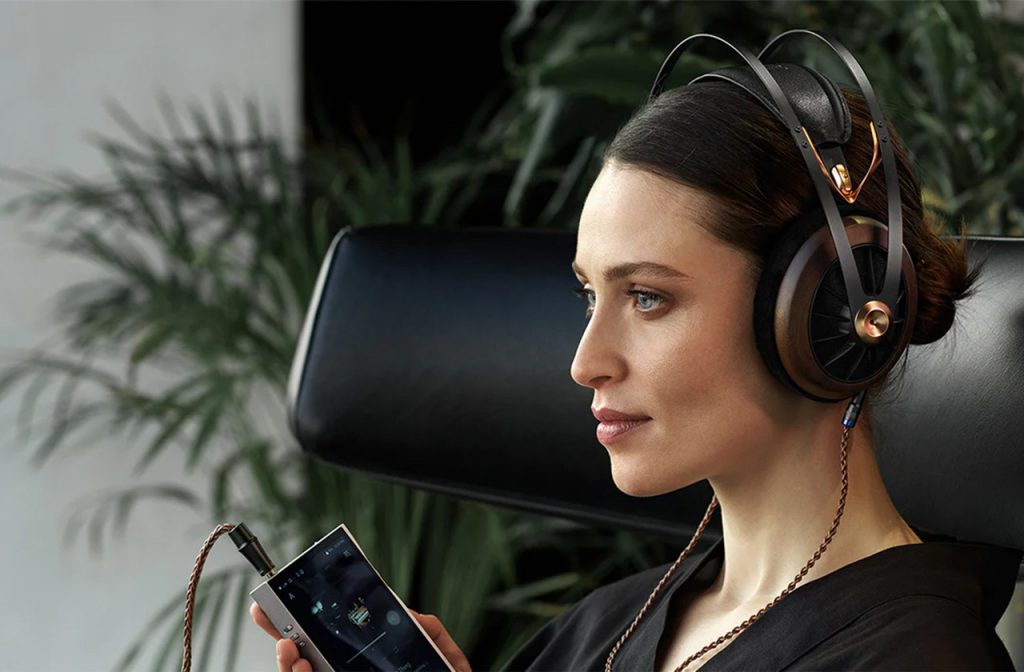
Meze Audio 109 PRO Headphones
When you weigh up the minute gains in high-fidelity detail against the freedom of being cable-free, wireless technology usually wins for daily use. You can commute, work out, or move around your home without a wire limiting your movement or catching on a door handle. While a wired set remains a superb investment for a dedicated home Hi-Fi system, modern wireless headphones are now so capable that they offer the best of both worlds for a versatile lifestyle.
Find Your Perfect Pair with Richer Sounds
As everyone’s ears and musical tastes are different, we can help you find the best pair before you make a final decision. Our expertly trained staff are lovers of music and film just like you, and they are always on hand to help you find the right technology for your lifestyle.
Why not give your local Richer Sounds store a call or pop in for a chat? We would love to help you find a pair that makes your music experience better.