



TV Size Guide: What’s Best for Your Space?
Choosing a new television involves tackling important technical questions – from deciding between OLED and QLED to understanding refresh rates. However, the single most critical, practical decision you will make is simply getting the right screen size. A TV that is too small leaves you feeling detached. A TV that is too large can actually cause eye strain.
We’re here to help you get the perfect balance of comfort and immersion using our expert, straightforward advice. Forget the worry; let’s find out what size TV you need for your room.
Rule One: Calculate Your Ideal Viewing Distance
The most accurate way to find your perfect screen size is by using a simple calculation based on how far away you sit. This ensures the TV fills your field of view just right – neither too much nor too little.
Achieving True Immersion (The 4K Formula)
For modern 4K Ultra HD TVs, the industry consensus for an immersive experience is that the screen should take up approximately 30 to 40 degrees of your field of view. To achieve this, you need to sit between 1 and 1.5 times the size of your screen away from it.
The easiest formula is:
TV Screen Size (in inches) x 1.2 = Ideal Viewing Distance (in inches)
For example, if you choose a 65” TV size:
- 65 inches x 1.2 = 78 inches (6.5 feet or 1.98 metres).
- Conclusion: You should sit about 2 metres away to fully appreciate the 4K detail and get that cinematic feeling.
This method allows you to go for a bigger TV size in a smaller room than you would have with an older Full HD model.
Full HD Viewing Distance (1080p)
If you are buying a Full HD set, the pixels are larger. To avoid seeing the individual pixels, you need to sit further back. We recommend sitting between 1.5 and 2.5 times the diagonal screen size away from the screen.
Rule Two: Measure Correctly and Avoid Mistakes
The advertised size is often only one measurement. When planning your space, you need to measure three critical dimensions.
How to Measure TV Size (The Diagonal)
The TV sizes in inches advertised, such as 55-inch TV size, refers strictly to the diagonal length of the visible screen.
- Measure diagonally from the top-left corner of the display to the bottom-right corner of the display.
- Do not include the frame or bezel around the edges.
Measuring the Total Dimensions
If you are fitting the TV into a cabinet, a niche, or onto a stand, you must know the total dimensions. This includes the bezel and the stand/feet.
- Width: Measure the full distance across the TV, from the outside edge of the frame to the opposite edge.
- Height: Measure the full height, including the stand if you plan to use it.
- Depth: Measure the thickness of the panel or the stand depth. This is crucial for placement on a small shelf or thin console.
Future-Proofing for Media Walls
If you are building a custom media wall or a fireplace niche, this is the most critical decision you will make. Do not design the cut-out to fit your current TV, or even the size you plan to buy today.
We always recommend building the enclosure to accommodate the next size up (e.g., if you are buying a 65-inch, size the niche for a 77-inch or 85-inch). This is because screen sizes are only getting larger, and fixing the niche size today severely limits your future upgrade options without costly re-building work. Future-proof your media wall to save money and hassle later.
Your best option? Get Richer Sounds’ experts to design and create your new media wall. Check out our custom installation options.
Rule Three: Optimal Placement and Room Flow
Once you have the right TV screen size and distance, the setup is key to maximising comfort and aesthetics.
Finding the Right Viewing Height
For the most comfortable viewing experience, the centre of the TV screen should be at or slightly below eye level when you are seated. If the screen is too high, you risk neck strain over long viewing periods. Most experts suggest the centre point should be about 1 metre from the floor, though this will vary depending on your sofa height.
Matching the Console to the Screen
To make your living room look balanced and prevent the TV from appearing too large or top-heavy, your media console or stand should be proportional.
- As a general rule, aim for a console that is at least 10% to 15% wider than the width of your TV screen (including the bezel).
- Our colleagues can help check the exact sizes to ensure you buy the perfect match.
Common TV Sizes and Recommendations
To give you a simple starting point based purely on screen size and application, here are the standard tv sizes that work best. These align with modern 4K viewing distances.
| Room / General Application | Approximate 4K Distance (m) | Screen Size (Diagonal) | Example TV Size Keywords |
|---|---|---|---|
| Bedroom | 1.0m to 1.3m | 32-inch to 43-inch | Perfect for casual viewing, gaming, or a good size TV for bedroom. 43 inch size TV is a popular choice. |
| Small Living Room | 1.5m to 1.7m | 50-inch to 55-inch | The 55 inch TV size is our most popular all-rounder. Great for general family use and movies. |
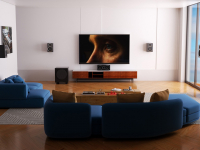
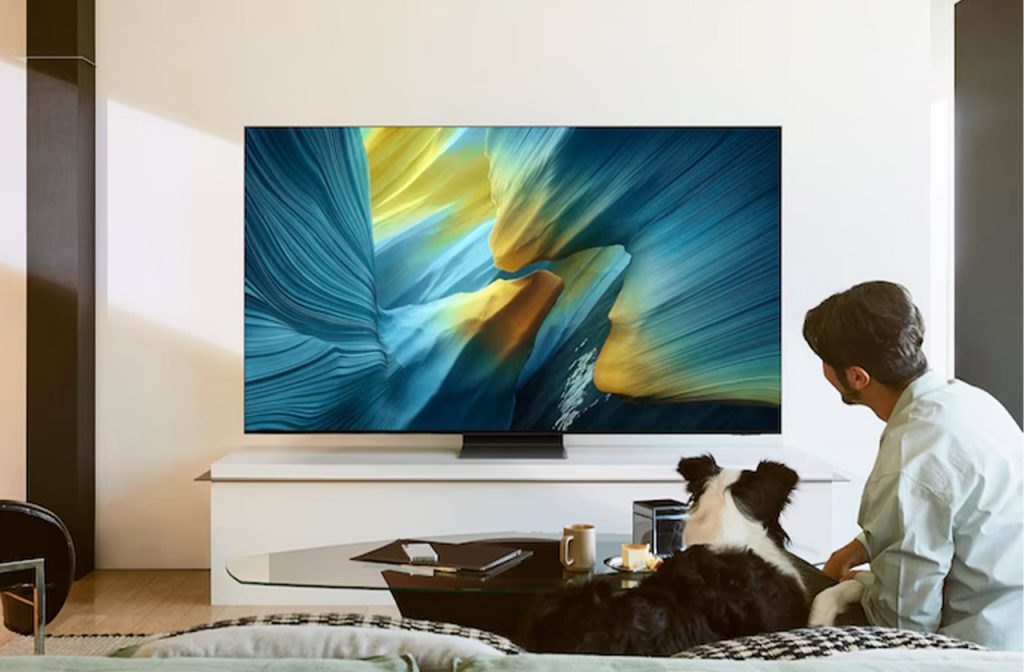
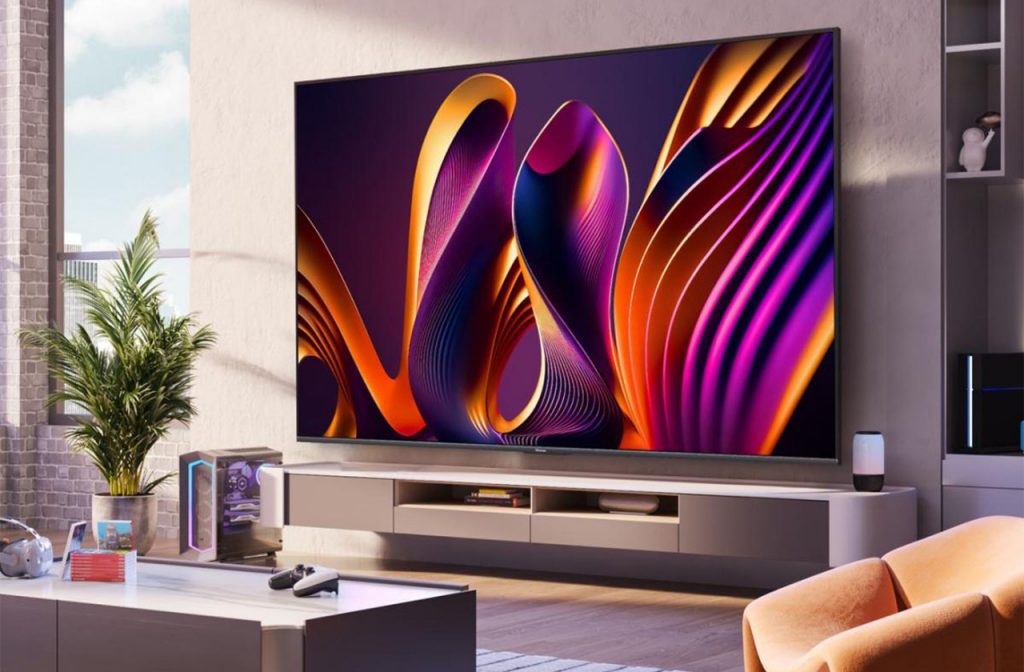
| Large Living Room | 2.0m to 2.3m | 65-inch to 75-inch | The 65 inch TV size is ideal for large rooms, delivering a truly cinematic experience. This is the recommended TV size for living room immersion. |
| Dedicated Cinema Space | 2.5m+ | 77-inch and above | For the ultimate home cinema experience, bigger is better. We offer the largest size of TV, including models well over 90 inches. |
Room-by-Room Considerations
While the formula gives you the ideal diagonal measurement, the room itself introduces unique challenges that affect which screen and size is truly best.
Living Rooms (The Cinematic Centre)
The primary challenge here is glare from large windows and lighting fixtures. If your room is very bright, remember to prioritise high brightness (QLED, Mini-LED) along with size.
Crucially, consider your seating configuration. If you have corner sofas, multiple viewing chairs, or an open-plan design where the viewing angle is wide, choose a TV display technology like OLED that maintains perfect picture quality, colour, and contrast even when viewed from the side. This ensures everyone gets the best seat in the house.
Bedrooms (Closer Viewing)
Since the viewing distance is often much shorter in a bedroom (e.g., 1.0m to 1.3m), a 43 inch size TV or 50 inch TV size often provides the optimal immersion without overwhelming the space. Be mindful of wall mounting height if viewing from a raised bed; the screen may need to be mounted slightly higher than usual for comfort.
Kitchens and Open-Plan Spaces (Wide Angles)
In open-plan kitchens or dining areas, people rarely sit directly in front of the screen. You must consider the viewing angle. If people are watching from the side (e.g., from an island or dining table), choose a TV technology (like OLED) that retains perfect colour and contrast even when viewed off-axis, regardless of the optimum TV size for the room.
Your Next Step: Experience Better
We deal in complex technology, but matching the right TV to your room shouldn’t be confusing. You can browse our full range of top-brand TVs by screen size.
If you’re still unsure what size TV for your room is best, why not visit one of our stores? Our colleagues can talk you through the TV size comparison in person and demonstrate the true impact of immersion.
Ready to stop guessing and find the perfect screen size?